
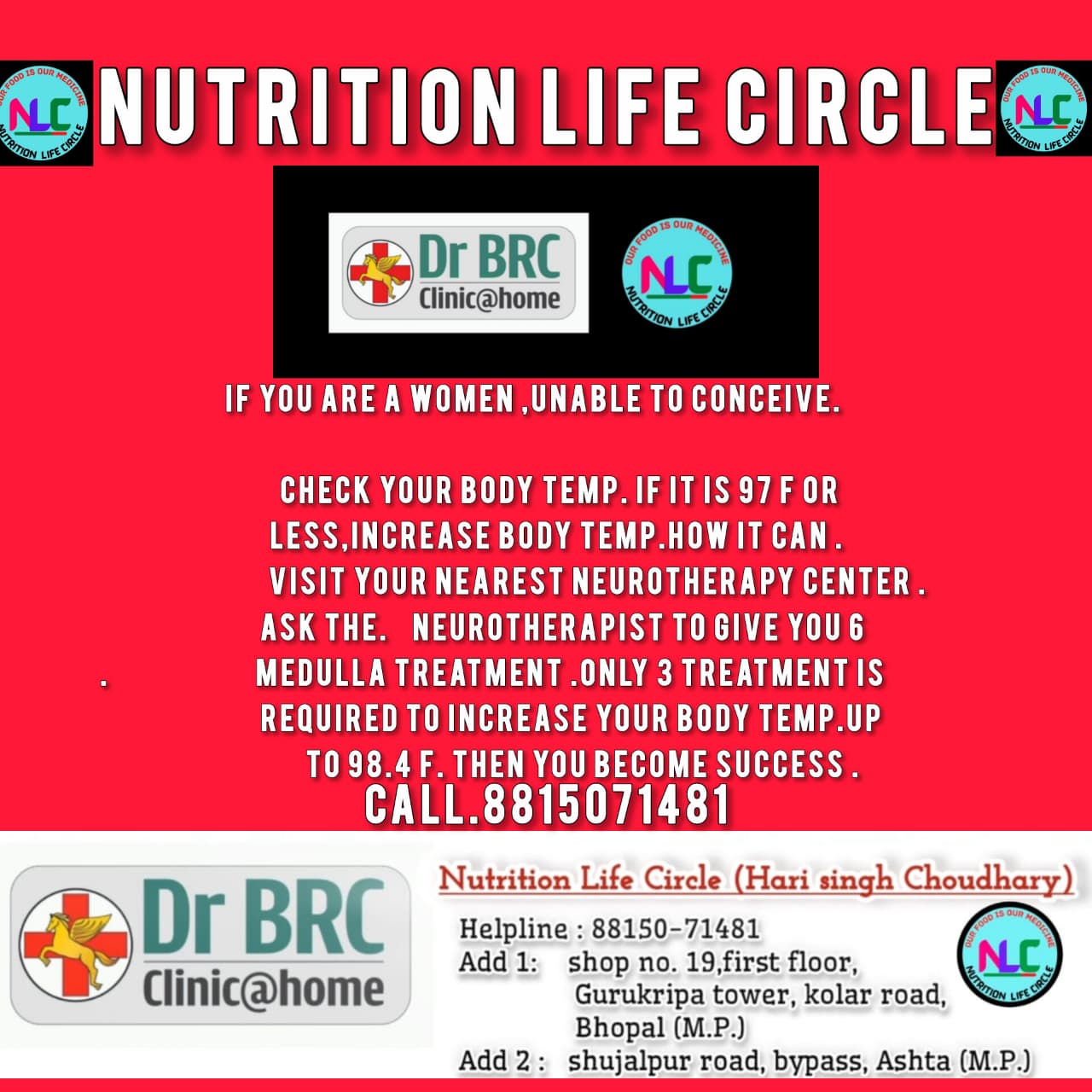
Infertility in women is a complex condition in which pregnancy does not occur despite regular unprotected intercourse for a prolonged period (usually one year). Several physiological, nutritional, and hormonal factors may contribute to infertility.
Infertility Issue: The symptoms and possible contributing factors mentioned above can be explained as follows.
1. Low Basal Body Temperature (97°F or less)
Basal body temperature reflects metabolic and hormonal activity in the body. In many women, a consistently low body temperature may indicate reduced metabolic function, thyroid imbalance, or hormonal irregularities. Proper hormonal balance is essential for ovulation and implantation. If ovulation does not occur regularly, the chances of conception become very low.
2. Prolapsed Uterus
Uterine prolapse occurs when the uterus descends from its normal position into the vaginal canal due to weakened pelvic floor muscles and ligaments. This condition may affect the normal positioning of the cervix and uterus, which can interfere with the movement of sperm toward the fallopian tubes. Severe prolapse may also cause discomfort, pelvic pressure, and difficulty maintaining pregnancy.
3. Acidic Vaginal Environment
The vagina normally has a slightly acidic environment, which helps protect against infections. However, if the vaginal fluids become excessively acidic, sperm survival and mobility can be affected. Sperm require a more neutral environment to travel through the cervix into the uterus and fallopian tubes. Excess acidity may reduce sperm motility, making fertilization difficult.
4. Nutritional Deficiencies (Vitamin B12, Folic Acid, and Vitamin D)
Proper nutrition is essential for reproductive health.
Vitamin B12 is important for red blood cell formation, nerve health, and cellular metabolism. Its deficiency may affect ovulation and overall reproductive health.
Folic acid is necessary for DNA synthesis and cell division. It plays a key role in ovulation, fertilization, and early fetal development.
Vitamin D influences hormone regulation, ovarian function, and immune balance. Low levels of vitamin D have been associated with reduced fertility and irregular menstrual cycles.
Role of Prostaglandin Hormones in Conception
Prostaglandins are hormone-like substances that play a significant role in the reproductive system. They help regulate uterine contractions, ovulation, cervical mucus production, and implantation of the fertilized egg in the uterus. Balanced prostaglandin activity supports normal reproductive function and increases the chances of successful conception.
Correction through Neurotherapy (Conceptual Approach)
Neurotherapy is described in some alternative health systems as a method that aims to restore normal body function by stimulating specific nerve points related to internal organs. In the context of infertility, neurotherapy practitioners believe that stimulation of certain nerve centers may help:
- Improve blood circulation to reproductive organs
- Balance hormonal activity
- Strengthen pelvic muscles and uterine support
- Enhance metabolic function and nutrient absorption
- By correcting nutritional deficiencies, improving hormonal balance, and supporting proper reproductive organ function, such approaches aim to improve the chances of conception.
Also read:
BOOSTING IMMUNITY : HOW TO BUILD A DISEASE -RESISTANT BODY
Conclusion
Infertility in women may result from multiple interacting factors including hormonal imbalance, structural problems such as uterine prolapse, unfavorable vaginal environment, and nutritional deficiencies. Maintaining adequate levels of essential vitamins, supporting hormonal health, and addressing structural or metabolic issues are important steps in improving fertility. While supportive therapies like neurotherapy may aim to enhance body balance, proper medical evaluation and guidance from qualified healthcare professionals are essential for by accurate diagnosis and effective treatment.

My Self Hari singh choudhary
S.N.H.S. Dip.(Holistic nutrition), London, S.N.H.S. Dip. (Advanced Nutrition), London, S.N.H.S. Dip. (Holistic Pain Management), London, S.N.H.S. Dip. (Nutrition for Age 50+), London, S.N.H.S. Dip. (Plant-Based Nutrition), London, S.N.H.S. Dip. (Vegetarian & Vegan Nutrition,) London, Certified Diabetes Educator’s (INDO-VIETNAM MEDICAL BOARD, Associate member of The International College of Holistic Medicine, U. K. Certification in Integrated Medicine (SHRIDHAR UNIVERSITY)Sr.Wellness Neurotherapist (Certificate for National Occupational Standards).Certification in Autism/ADHD Reversal,(SHRIDHAR UNIVERSITY) .
NATURAL DISEASE ERADICATION
[ NUTRITION THERAPY ]
For Business inquiry:-
Email: nutritionlifecircle@gmail.com
WhatsApp Number: +91 8815071481